
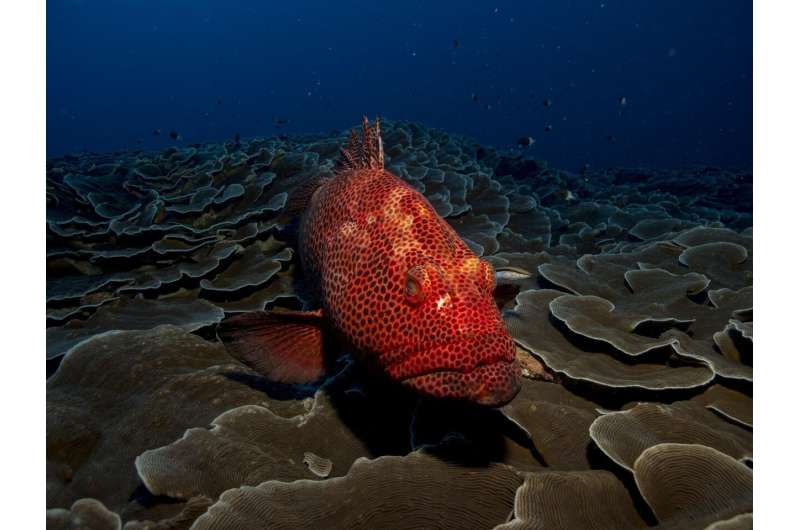
Microplastics Disrupt Metabolism in Mediterranean Corals
Although these pollutants do not cause visible damage to tissues and cells, their effects could have an ecological impact on these organisms that structure the seabed, particularly if exposure continues over time occurs alongside other environmental pressures, such as ocean warming, habitat degradation or the growing accumulation of plastics in the marine environment. Read more here.
How Indigenous Australians are restoring Earth’s largest organism
After a devastating heat wave hit the world’s largest plant, a radical restoration effort emerged — powered by sea cucumbers and backed by Conservation International. Read more here.
How turtle shells provide a forensic glimpse into the ocean’s past
Sea turtles’ shells act as biological time capsules and record signs of major environmental changes in the ocean according to new research which has carbon dated the shells. Read more here.
Norway creates new BlueNature centre for sustainable marine and coastal management
The new centre, led by SINTEF Ocean, will begin its work this spring, focusing on balancing marine conservation with commercial activity along Norway’s coast. Read more here.
New scientific method will allow identifying key marine zones to protect biodiversity and guarantee sustainable fishing in the Mediterranean
The MARVEL project will develop over two years an innovative methodology based on spatial data to prioritise marine areas of high ecological value and improve the planning of maritime space in the Levantine-Balearic demarcation. Read more here.
PNG’s New Ireland coastal waters causing fish deaths, human sickness
Communities on the east coast of Papua New Guinea’s New Ireland province report that contact with the seawater there has made people sick since December 2025; residents have also reported spikes in the number of dead fish and other marine life along the shoreline. Read more here.